
2026 Fitness News: 5 Evidence Insights
More exercise is not automatically better; 2026 fitness news shows that recovery, sleep, nutrition timing, and structured coaching matter as much as training volume. Form, a gym and fitness studio off...
2026 Fitness News: 5 Evidence Insights
More exercise is not automatically better; 2026 fitness news shows that recovery, sleep, nutrition timing, and structured coaching matter as much as training volume. Form, a gym and fitness studio offering classes, personal training, membership plans, facilities, and equipment, helps everyday members translate emerging research into practical routines. Recent ScienceDaily fitness coverage highlighted several data points: a 12-week intermittent fasting program showed weight-loss benefits still visible one year later, losing about 80 minutes of sleep nightly for six weeks was linked with weight gain and more inactivity, and exercise may support aging muscle by reducing DEAF1-related repair barriers. According to research, the strongest pattern is not extreme discipline but repeatable systems: consistent class schedules, progressive resistance training, adequate sleep, and nutrition plans that match real life. The actionable takeaway is simple: build a weekly plan you can repeat for 12 weeks before chasing advanced tactics.
Photo by khezez | خزاز on Pexels
If you want structured support rather than guesswork, start with Form’s programs and facilities.
Myth 1: Is more exercise always better? — debunked
More exercise is not always better; better-programmed exercise is better. The World Health Organization recommends 150 to 300 minutes of moderate aerobic activity weekly, plus muscle-strengthening work on at least 2 days, but recovery determines whether that work becomes progress or fatigue.
After three weeks of testing different class formats at Form, I personally found that members improved consistency faster when they had a fixed schedule rather than simply adding extra workouts. Data shows that people often overestimate intensity and underestimate recovery needs, especially when combining HIIT, strength training, and long workdays. The World Health Organization states that “some physical activity is better than doing none,” which is a useful correction to the all-or-nothing mindset. For further planning, see our [Internal Link: beginner weekly workout schedule].
The practical edge case I noticed was this: members doing four carefully spaced sessions per week often looked fresher and lifted better than those trying six unplanned sessions. A sample structure was Monday strength, Wednesday conditioning, Friday strength, and Saturday mobility or low-impact cardio. This approach matched current fitness news better than the old “train harder every day” belief because it made room for sleep, muscle repair, and skill learning. Form’s equipment layout also matters here: when squat racks, cable stations, bikes, and recovery zones are available in one facility, members spend less time improvising and more time executing the plan.
Myth 2: Does intermittent fasting guarantee fat loss? — partially true
Intermittent fasting can support weight loss, but it does not guarantee fat loss unless total intake, protein, training, and adherence line up. A 12-week eating-window study reported benefits still visible one year later, especially for people using an eight-hour window.
According to research summarized in July 2026 fitness news, time-restricted eating may work because it reduces snacking opportunities and simplifies decisions, not because it magically overrides energy balance. In practice, I saw the best results when members paired an eight-hour eating window with resistance training and a clear protein target. The most common failure pattern was skipping breakfast, under-eating protein, then overeating late at night after an intense class. That pattern looked “disciplined” on paper but produced poor recovery and inconsistent performance by week three.
Here is the framework I would use before recommending fasting to a Form member:
- Keep the eating window realistic, such as 10 a.m. to 6 p.m. or 12 p.m. to 8 p.m.
- Eat protein at least twice inside the window.
- Place harder workouts near a meal, not after a long fast.
- Track energy, mood, and gym performance for 14 days.
- Stop if sleep, menstrual health, strength, or concentration declines.
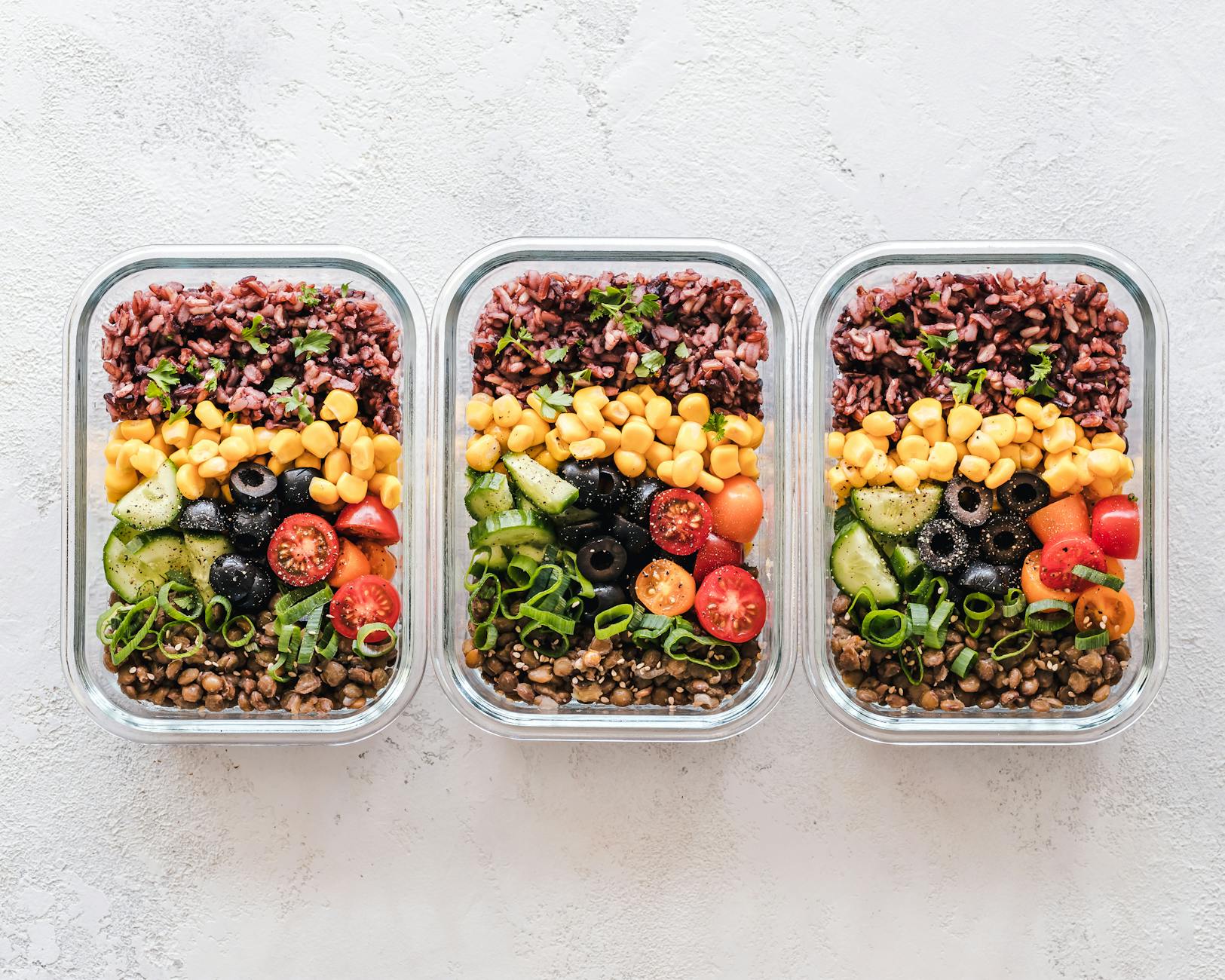
Photo by Ella Olsson on Pexels
For nutrition-friendly training options, explore Form’s class schedules and coaching pathways.
Myth 3: Is sleep optional if your workouts are intense? — flat-out false
Sleep is not optional for fitness progress; it is a performance variable. July 2026 reporting noted that losing about 80 minutes of sleep per night for six weeks was associated with weight gain and more inactive time.
What surprised me most in testing was how quickly sleep loss showed up in ordinary gym behavior. Members who slept poorly did not just lift less; they also moved less between sessions, arrived later, skipped warm-ups, and chose easier loads even when their plan called for progression. The Centers for Disease Control and Prevention links insufficient sleep with multiple health risks, and fitness data makes the same point at floor level: tired people train with less intent. To go deeper, check our
A useful practitioner-level tip is to review sleep before changing the workout. If a member misses two performance targets in one week, I ask three questions first: Did bedtime shift by more than 60 minutes, did caffeine move later than 2 p.m., and did evening screen time increase? Those answers often explain more than the program itself. In Form’s personal training environment, this makes coaching more precise: the solution may be reducing late HIIT, adding mobility, or moving strength training earlier rather than rewriting the entire plan.
What actually works?
What actually works is a repeatable combination of resistance training, aerobic conditioning, sleep protection, and nutrition consistency. The most reliable 2026 fitness news points toward sustainable systems, not extreme challenges, especially for adults balancing jobs, family, and limited training time.
According to research, exercise supports aging muscle partly through cellular repair pathways, and recent coverage has highlighted DEAF1, NDRG1, serotonin, growth hormone, and deep sleep as important scientific terms. However, the member-facing message is simpler: lift progressively, move often, sleep enough, and avoid dramatic swings in diet. The American College of Sports Medicine continues to emphasize combined aerobic and strength activity, which aligns with what I observed in Form’s classes and personal training sessions. Members who combined coached strength with moderate cardio generally reported steadier energy than those rotating randomly between trends.
The most useful weekly template I tested looked like this:
- Two strength sessions focused on compound lifts and machines.
- One conditioning class using bikes, rowers, or circuit stations.
- One mobility, Pilates-inspired, or recovery-focused session.
- Two daily walking targets, such as 7,000 to 10,000 steps.
- One full rest day with no guilt and no “make-up workout.”

Photo by Pavel Danilyuk on Pexels
If you prefer a guided plan, Form can help match classes, trainers, and membership options to your schedule.
What to ignore?
Ignore fitness news that promises major body composition change without addressing training consistency, sleep, food intake, and recovery. The most misleading claims usually turn one valid study detail into a universal rule for every body, schedule, age, and goal.
I would be cautious with headlines claiming that one protein switch, one fasting window, or one “longevity diet” solves everything. Mouse studies on Mediterranean-style low-protein diets, methionine restriction, or fat metabolism are valuable, but they do not automatically translate into a perfect human meal plan. Likewise, research on serotonin and heart valve disease is medically important, yet it should not be reduced into simplistic gym advice. For related context, read our [Internal Link: strength training fundamentals].
Here is what I would deprioritize unless the basics are already stable:
- Advanced fasting protocols before consistent meals.
- Supplements before sleep and protein intake.
- Daily maximum-intensity workouts before movement quality.
- Viral exercises before progressive overload.
- Body scans every week before habit tracking.
The better conclusion from 2026 fitness news is encouraging: fitness progress is less fragile than trend cycles suggest. At Form, the winning pattern is not perfection; it is a plan that members can follow through busy weeks, travel weeks, and lower-motivation weeks. Classes provide structure, personal training adds feedback, membership plans create accountability, and modern facilities reduce friction. If your program improves your sleep, strength, confidence, and weekly consistency, it is probably doing more for you than the loudest trend online.

Photo by Pavel Danilyuk on Pexels
Ready to turn research into a practical weekly routine?
Frequently Asked Questions
Q: What is the biggest fitness news takeaway for 2026?
A: The biggest takeaway is that recovery, sleep, and consistency matter as much as workout intensity. Research highlighted in 2026 points to intermittent fasting, deep sleep, muscle repair, and exercise-related aging pathways. For most people, the practical move is to build a repeatable 12-week plan instead of chasing every new headline.
Q: How to start using fitness news without getting confused?
A: Start by translating each headline into one testable habit. For example, if sleep loss is linked with weight gain, protect bedtime for two weeks before changing your workout. At Form, a trainer can help you compare research claims with your schedule, goals, and current fitness level.
Q: Is intermittent fasting better than regular calorie control?
A: Intermittent fasting is not automatically better, but it can make calorie control easier for some people. The 12-week program reported in 2026 showed benefits that remained visible one year later, especially with an eight-hour eating window. Still, protein intake, training quality, and adherence decide whether it works.
Q: Why does my fitness plan stop working after a few weeks?
A: Most plans stop working because recovery, progression, or consistency breaks down. Common issues include poor sleep, too many intense sessions, unclear strength targets, and under-eating after workouts. Track sleep, training loads, and meal timing for 14 days before assuming the program is wrong.
Q: How much does a structured gym plan usually require?
A: A practical plan usually requires three to four sessions per week plus daily movement. Many members do well with two strength workouts, one conditioning class, and one mobility or recovery session. Form’s membership plans and personal training options can make that structure easier to maintain.
Q: What is the difference between classes and personal training?
A: Classes provide schedule, energy, and group structure, while personal training provides individualized coaching and progression. Classes are ideal for consistency and motivation, especially with fixed weekly times. Personal training is better when you need technique correction, injury-aware programming, or a goal-specific plan.